Autofocus Manual Lenses | Fotodiox Pro Pronto Leica M Mount to Sony E Mount Adapter


One of the great things about owning a mirrorless camera is it's flexibility when it comes to adapting lenses from other manufacturers. I personally use the Sony Alpha mirrorless system and since its inception, various companies have developed different lens mount adapters to allow the use of lenses from other manufacturers. This is great but only the major brands get the attention for autofocus adapter development. The older and less remembered lens mounts typically only get a very simple dummy adapter that does not transmit any information from the lens to the camera body. This all changes with the Fotodiox Pro Pronto adapter. 

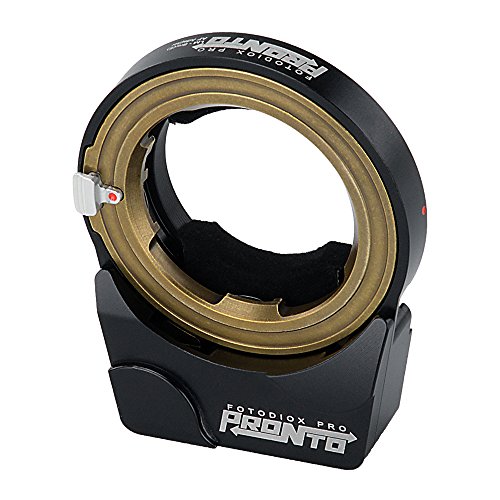
The Pronto is essentially a lens mount adapter for converting Leica M mount lenses to Sony E mount. The main difference between this and any other adapter is that this one has a built-in motor that allows for autofocus and has support for AFS, AFC and face detection. Eye AF and lock on AF do not work. You can also change the focus area from wide to center or flexible spot but remember that by reducing the focus area, you can get a reduction in overall focus speed. 

This adapter autofocuses by physically moving the lens in and out within a 4.5mm range and according to Fotodiox, this should be enough for most lenses. A benefit of this method would be that you are also able to improve the minimum focusing distance of a lens by essentially using the adapter as an extension tube. This is great because rangefinder lenses are typically not very good at close focusing. With M mount lenses, the minimum focusing distance is typically around .7 of a meter or 2.3’.

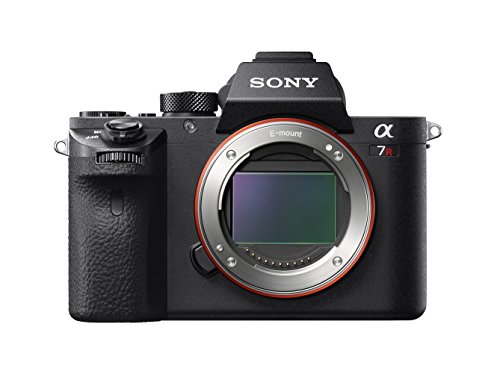
This adapter can support a lens setup up to 2 lbs or 907 grams. That is huge considering that the Sony A7RII that I mount this adapter to only weighs 625 grams. My Sony 16-35mm f/4 weighs 518 grams. My Sony 24-70mm f/2.8 GM? 886 grams. Still under the max load capacity of this adapter. When you start looking at the weight of various lenses, you start to realize just how much this adapter can muster and I have to say, I’m quite impressed. 

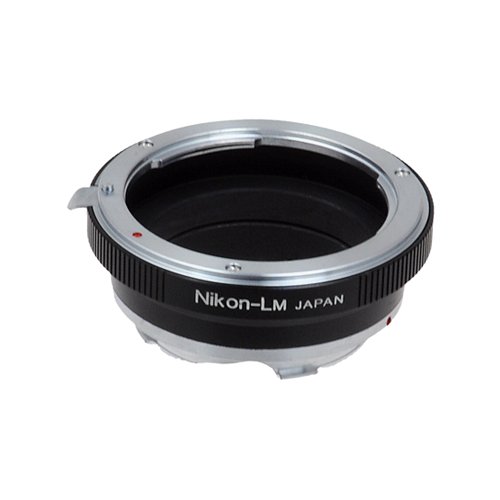
Now you may be saying to yourself, this is all well but I don’t own Leica M mount lenses so I have no use for this adapter. Well, maybe not. Remember, the lenses from other manufacturers can easily be adapted to the Leica M mount. For example, here is a Nikon lens adapted to the Leica M mount with the use of another adapter. This, in turn, means that I can use this and other Nikon F lenses with the Pronto adapter to not only mount to my Sony E mount camera but also achieve autofocus with these older manual focus lenses. Of course, this is not just exclusive to Nikon F mount lenses, but really any lens that can be adapted to Leica M and this is why this adapter is so amazing. It opens up a whole new world for those who have manual focus lenses but want autofocus capabilities. 

It should be noted that this adapter is designed to be used with E mount cameras that feature phase detection and was not intended to support cameras with only contrast detection autofocus. If you’re interested in using this device, make sure that your camera body is compatible. Current Sony cameras with Phase Detection AF include the Sony a6300/a6500, a7II/a7III, A7RII/a7RIII and a9. 

Another thing to note would be noise that this adapter makes. The focusing motor of the adapter is audible, but it’s hard to complain about this because it is what it is. If some minor focusing noise means that I can autofocus my manual lenses, then I’ll take it. Also, if you’re interested in using this adapter in any scenario where there’s background noise like in the city, it’s likely that the noise of the city will drown out the noise of the adapter. In quiet locations like a studio, a library, or a church, sure people a few feet away may notice the noise but any significant distance and they won't hear a thing. I personally don’t think the noise is that big a deal.

Since we are talking about an adapter that allows for autofocus, I’m sure you’re wondering just how well this adapter performs. This is tough to express because autofocus performance can be somewhat subjective. It’s really based on the gear that you use and what you’re used to. For example, I often use the Nikon N2020 which was one of the early pioneers of autofocus. In comparison to today’s cameras, the autofocus on the N2020 is atrocious but it was just about the best of its time. I still often use this camera and am able to capture images with its slow autofocus system and in comparison, the Pronto on the A7RII destroys the autofocus on the N2020 so that’s great. 

Since I'm mounting the Pronto on a Sony camera, how do I think it performs in comparison to Sony native lenses? This is tough to say because it depends. In good lighting, this adapter can perform flawlessness and autofocus is very fast. Just about as fast as a native lens. On the other hand, in certain dark scenes, the autofocus can be nearly unusable where a native lens will likely still be able to perform. So autofocus performance can fluctuate and is greatly dependent on lighting conditions. 

My main intention for this adapter is to use it in street photography scenarios and after being able to try it out on the street, I would say that I’m happy with the adapter’s performance. It was able to handle the constant changing environment throughout the day and that's what I need. At the end of the day, this adapter is meant to allow me to autofocus with my manual lenses and I think it does an excellent job at it. For my purposes, this adapter is a winner and comes highly recommended. 


If you're considering on buying any of these products, please support my work by using the links below.
Fotodiox Pro Pronto Leica M Mount to Sony E Mount Adapter https://amzn.to/2NCFLFZ
Nikon F to Leica M Adapter https://amzn.to/2uUKZF3
Sony A7RII https://amzn.to/2LDe2V3
Sony FE 24-70mm f/2.8 GM Lens https://amzn.to/2uzrsuq
Sony Vario-Tessar T* FE 16-35mm f/4 ZA OSS Lens https://amzn.to/2JED5VG


Want to support my work?
Consider visiting the shop and buying "Absolutely Nothing"
https://www.TheUpperLeftUSA.com/shop/absolutely-nothing

or

Become a Patron!
https://www.patreon.com/HaiHoangTran

My Camera Gear

This list of gear is what I currently own and use. The list will be updated as my gear change. If you're interested in buying any of the listed product, click the name of the product to be taken to it's product page. I'd appreciate it if you use the links provided as they are affiliate links and will give me a small commission at no extra cost to you.


Digital Camera Bodies & Lenses

Sony A7RIII - This is my go to digital body for photography. 42mp sensor and 4K video capabilities means that it's an excellent option for hybrid shooters.

Sony FE 24-70mm f/2.8 GM Lens - The 24-70 f/2.8 is the most useful/versatile lens, in my opinion. This is the lens that I make sure to get no matter the camera system that I'm using. 

Sony A7RIISony Vario-Tessar T* FE 16-35mm f/4 ZA OSS Lens
If you’ve kept up with my work for a long time, you’d know that I actually sold this setup but had the ability to borrow it whenever I want. Well, I figured that I was borrowing it so much that I’d just buy it back, so I did. The A7RII is a great cheaper alternative to the A7RIII if you don't need the little refinements that the newer body provides. The 16-35mm f/4 is a sharp and relatively cheap wide angle lens that is extremely flexible. I enjoy this setup very much and am currently using it to record all of my YouTube videos.

Samyang 35mm f/2.8 AF - This is the lens that I use when I want a small, lightweight and compact lens. This lens is TINY and produces great results. Full review here.


Filters

Wine Country Camera Filter Holder - Like I said in (THIS VIDEO), this is the best camera filter system on the market.

Wine Country Camera Blackstone ND Filters - I currently own the 3, 6, and 9 stop ND filters. These are the best ND filters that I've tried yet.


Tripods

Manfrotto MT190CXPRO4 Tripod - This is actually the first pair of tripod legs that I ever bought. It's like my dad taught me, buy something that may cost a bit more the first time around, and it'll last a long time so you don't have to waste any more money buying another one. Of all the tripod legs that I’ve had throughout the years, this is by far my favorite.

Manfrotto MH057M0-Q5 Ballhead - Along with my first tripod, this is my first ballhead. I like this particular one because it uses the Manfrotto 501PL plate, which is generally what many video heads use. This means that I only need one plate for both photo and video setups. 

Sirui A1205 - My new travel tripod. Small, lightweight and capable! I’m using this tripod more and more and it has been the first option on many occasions.

Benro FIF19CIB0 - Another travel tripod that I own. This has actually become my main tripod. Whenever I only need one tripod, this is the one that I grab. Although the technical specifications of the Sirui is better on paper, I actually think this tripod performs better.

Manfrotto 502HD Fluid Head - The best fluid head in terms of bang for the buck in my opinion. Any time that you see me make a video in the studio, my camera is sitting on this head. Video review HERE


Additional Equipment to make YouTube Videos

Sony FDR-X3000 - My most used action camera. It has great video quality and the built-in optical lens stabilization works great to provide smoother shots. 

Shure VP83 LensHopper Camera-Mounted Condenser Microphone - Shotgun mic that I use in the studio.

Movo VXR10 - A more affordable shotgun mic that I currently use while vlogging.

Rode RodeLink Wireless Filmmaker System - Wireless mic system

Tascam DR-10L Digital Recorder & Lavalier Mic - Backup wireless mic system that costs significantly less than the one above. However, with this one, you will have to sync audio in post.

iPhone Xs Max  - I often use this phone to capture video and often get compliments on video quality.


Film Cameras & Lenses

Nikon F3 - My first film camera and one that I always recommend. This is a great film camera for users of all skill level. This thing is built like a tank and can last a lifetime.

Nikon F100 - The most technologically advanced film camera that I own. If you want to have a shooting experience like a modern camera, try this one. This is my go to film camera when I have a serious shoot and want to get consistent results because the camera has the adequate technology to provide it.

Nikon N90S - An in between of the Nikon F100 and the Nikon N2020. It’s a bit bigger and heavier but gets the job done.

Nikon N2020 - My favorite everyday film camera. It’s not the most technologically advanced camera but it’s just one of those things that feels right.

Nikonos V - My go to underwater/waterproof film camera. This is a cult classic and the recognition is well deserved.

Nikonos II - My backup underwater/waterproof film camera. A great camera but lack the light meter.

Nikon 50mm f/1.4 AI-S - A great fast 50mm lens that I often use on manual Nikon film cameras. This is a great lens for film cameras but also still very functional when adapted to modern cameras. I often use this lens on my Sony cameras and get fantastic result.

Nikon 50mm f/1.8 Series E - Probably the best bang for the buck lens that I’ve every bought. This lens can be purchased for very cheap and it still produces great results. This is my go to walk around manual lens because it is just about as small and compact as you can get for the F mount.

Nikon 50mm f/1.8D - My main autofocus lens for my more modern Nikon film cameras. This lens is still being produced today and is one of the cheapest full frame Nikon lenses that you can get. I like this lens so much that I bought it twice.

Nikon 24mm f/2.8D - If you’re looking for a compact wide angle prime, then I’d highly suggest checking this out. This is one of my most used focal lengths for landscape photography and as a portrait lens, it provides and interesting perspective that you’re not going to see a lot of.


Camera Bags

EVOC CP 26L - My new everyday camera backpack. I can’t say enough good things about this bag. Stylistically, this is such a good looking bag and holds enough for my everyday needs.

EVOC CP 35L - When the EVOC CP 26L isn’t big enough. They are essentially the same bag, this one is just bigger.

Mindshift Backlight 36L - The bag that I use when hiking/outdoors. The well padded straps make this a comfortable bag to carry on long hikes. I own both the Backlight 26L and 36L but opt for the 36L most of the time because I need to carry more equipment when making my landscape photography videos.

Lowepro ProTactic 450AW - My old go to. I used this bag 99% of the time. Whether it's walking through the city or traveling the world. Although this is now a backup bag, it is one that I still keep around because it’s a good all rounder.

Peak Design Sling 5L - This is the bag that I use when I don't feel like carrying a lot. This is for the minimalist setup, one body, one lens, and maybe a few smaller items. If you'd like to get 10% off your Peak Design order from the official website, use this link https://www.peakdesign.com?rfsn=1824705.61bab1

Peak Design Everyday Messenger V2 - The bag that I use for air travel. I like the V2 of this bag because it has a luggage passthrough that makes carrying a lot easier in conjunction with a luggage. If you'd like to get 10% off your Peak Design order from the official website, use this link https://www.peakdesign.com?rfsn=1824705.61bab1

Pelican 1510 - The standard in hard cases. This is is the case that I’ve used for the past few years and holds my camera gear everyday.

SKB iSeries 2011-7 - A new hard case that I’ve recently started using. It’s a great alternative to the Pelican 1510 and is a bit better if you’re looking for a case that you can pull around a lot.

I sold a bunch of camera gear.

So I'm just a bit of a hoarder. I hold sentimental value in everything so I have a hard time letting anything go. Everything has it's story and it's memory. Applying this to photography gear means that I have a bunch of gear that I never use.

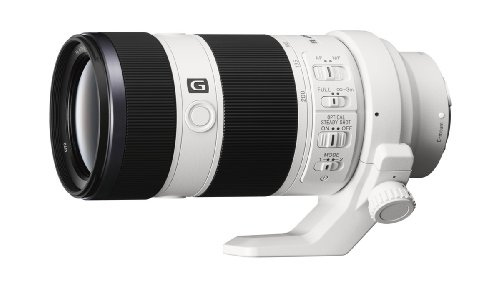
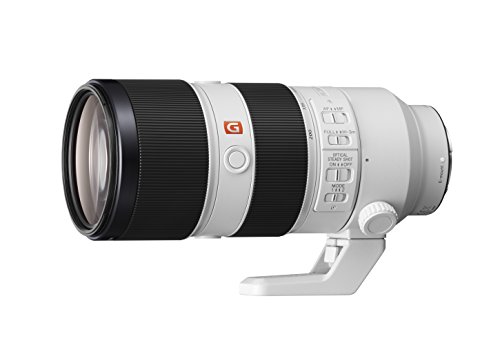
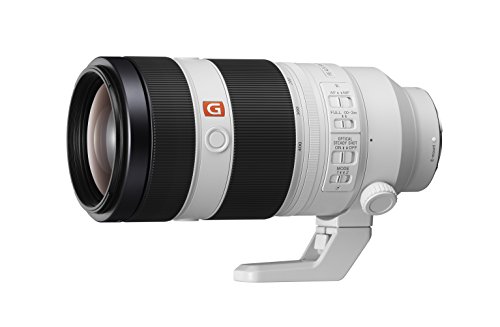
When I started photography, I bought into Nikon. When the Sony A7RII came out, I made a slow switch and gradually bought into Sony E-mount. As my Sony gear piled, my Nikon gear sat and because I'm a hoarder, I could never let it go. This recently changed when I just had enough and got rid of a bunch of stuff. To be honest, the only reason that I sold my old gear was because I wanted more money for new gear, a new lens to be exact. I'm currently in the market for a new zoom and the choices are between these three lenses.

Besides being a hoarder, another thing that kept me from selling my gear was the amount of money that I would be losing. The amount of money that I made doesn't even compare to what I originally bought the equipment for. 

Just so you know, I made 6 listings on eBay for this initial batch of spring cleaning. I sold:

Want to know something crazy? Selling all of that gear only made me a few dollars more than what the Sony FE 70-200 f/2.8 GM lens costs. 5 lenses and a camera and it was barely enough! That's digital photography for you. As new equipment comes out, the old equipment depreciate in value by such a large margin. Well, at least I'll be getting a new lens soon. What lens am I buying? You'll just have to check back and see. 

Leave me any opinions you may have that might help me decide!


Want to support my work?
Consider visiting the shop and buying "Absolutely Nothing"
https://www.TheUpperLeftUSA.com/shop/absolutely-nothing

or

Become a Patron!
https://www.patreon.com/HaiHoangTran

Northwest Tatau Festival | Leica M6 | Kodak Portra 800


I recently got a chance to attend the annual Northwest Tatau Festival. Name aside, this event is essentially a tattoo convention. If I remember correctly, this would be the third year in a row that I went to this event. Previously, it was held at the Greater Tacoma Convention Center but was moved to one of the event spaces at the Puyallup fair grounds.

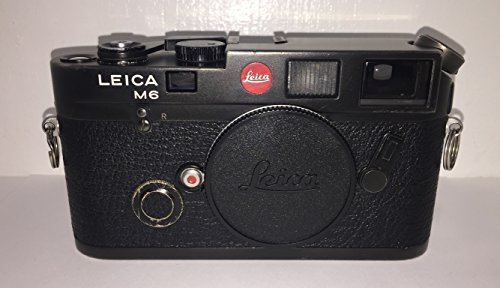
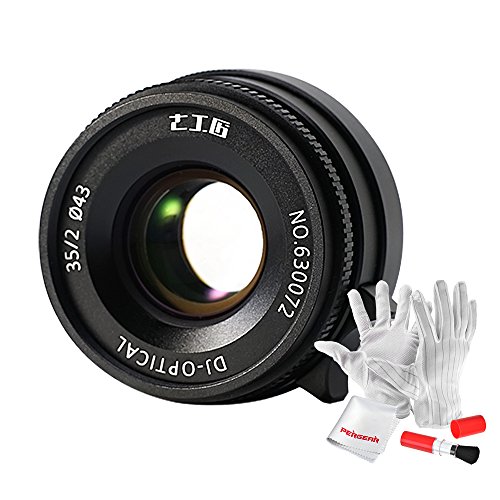
This particular visit was different for me because I decided to shoot some film. I brought along my Leica M6, 2 lenses (7artisans 35mm f/2 & Zeiss Planar 50mm f/2) and a roll of Kodak Portra 800

I had a good time photographing the various artists and watching the ending ceremony. 

If you're interested in buying any of the gear mentioned, check out the links below. If you use them, I receive a small commission at no extra cost to you.

Hẹn gặp lại,
Hai.


Leica M6 https://amzn.to/2MdItB7
Zeiss  Planar T* 50mm f/2 ZM http://amzn.to/2H2ru2I
7artisans 35mm f/2 Leica M Mount https://amzn.to/2tNc10Q
Kodak Portra 800 https://amzn.to/2tVM5A9


Want to support my work?
Consider visiting the shop and buying "Absolutely Nothing"
https://www.TheUpperLeftUSA.com/shop/absolutely-nothing

or

Become a Patron!
https://www.patreon.com/HaiHoangTran

Zeiss Planar T* 50mm f/2 ZM

Want to support my work?
Consider visiting the shop and buying "Absolutely Nothing"
https://www.TheUpperLeftUSA.com/shop/absolutely-nothing

or

Become a Patron!
https://www.patreon.com/HaiHoangTran


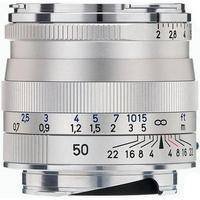
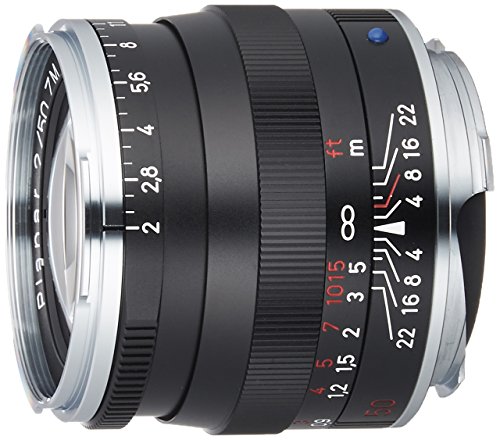
When I purchased my 0.85 magnification viewfinder Leica M6, I decided that a 50mm lens would be the best fit for it, so I picked up this Zeiss Planar T* 50mm f/2 ZM lens.

Zeiss Planar T* 50mm f2 ZM | Unboxing & Overview.jpg

Looking at the packaging this is a very typical Zeiss M mount lens box. White with black and blue accents. I ordered this lens from Japan and it seems like Zeiss has included a sticker stating that this lens is exclusive for the Japanese market. This of course isn’t so because this lens is available in many other parts of the world. I heard from other owners of this lens that their boxes have a similar sticker but with the name of their country. This just seems like Zeiss is trying to appeal to whichever country they are selling this lens to.

2.jpg

As you can see, this lens is rather small. It weighs only 8.1 ounces/230 grams but you can still feel the heft and quality thanks to the all metal construction. The length of the lens is pretty much equivalent to the size of the rear cap. So if you own a Leica M mount lens and wonder how big this lens is, just look at your rear lens cap and you can get a good idea. 

3.jpg

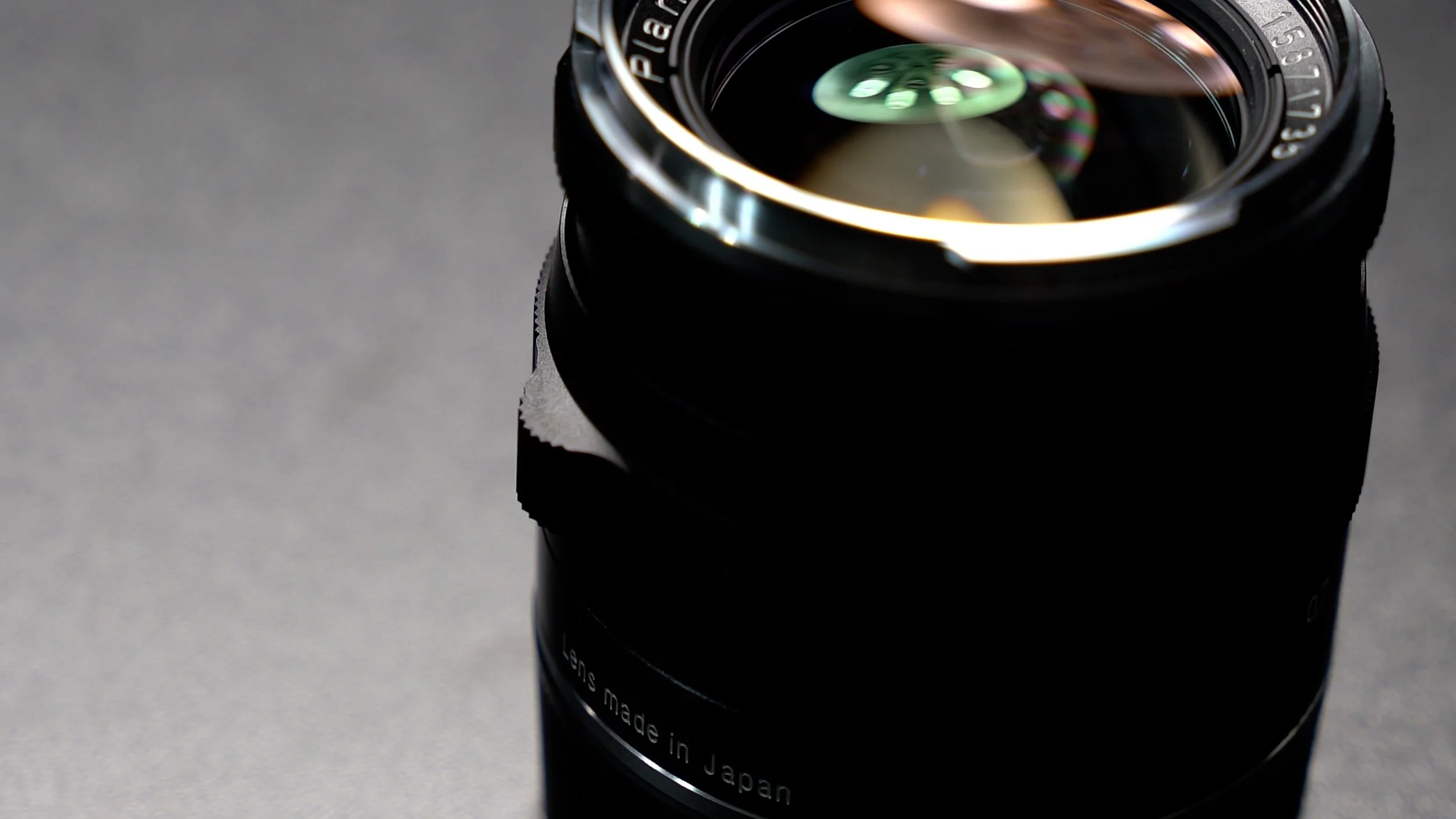
On the front of the lens is the model and technology etched into the body. As indicated by the T*, this lens features Zeiss’s proprietary T* multicoating which helps to prevent flare and ghosting for improved contrast and color fidelity.

4.jpg

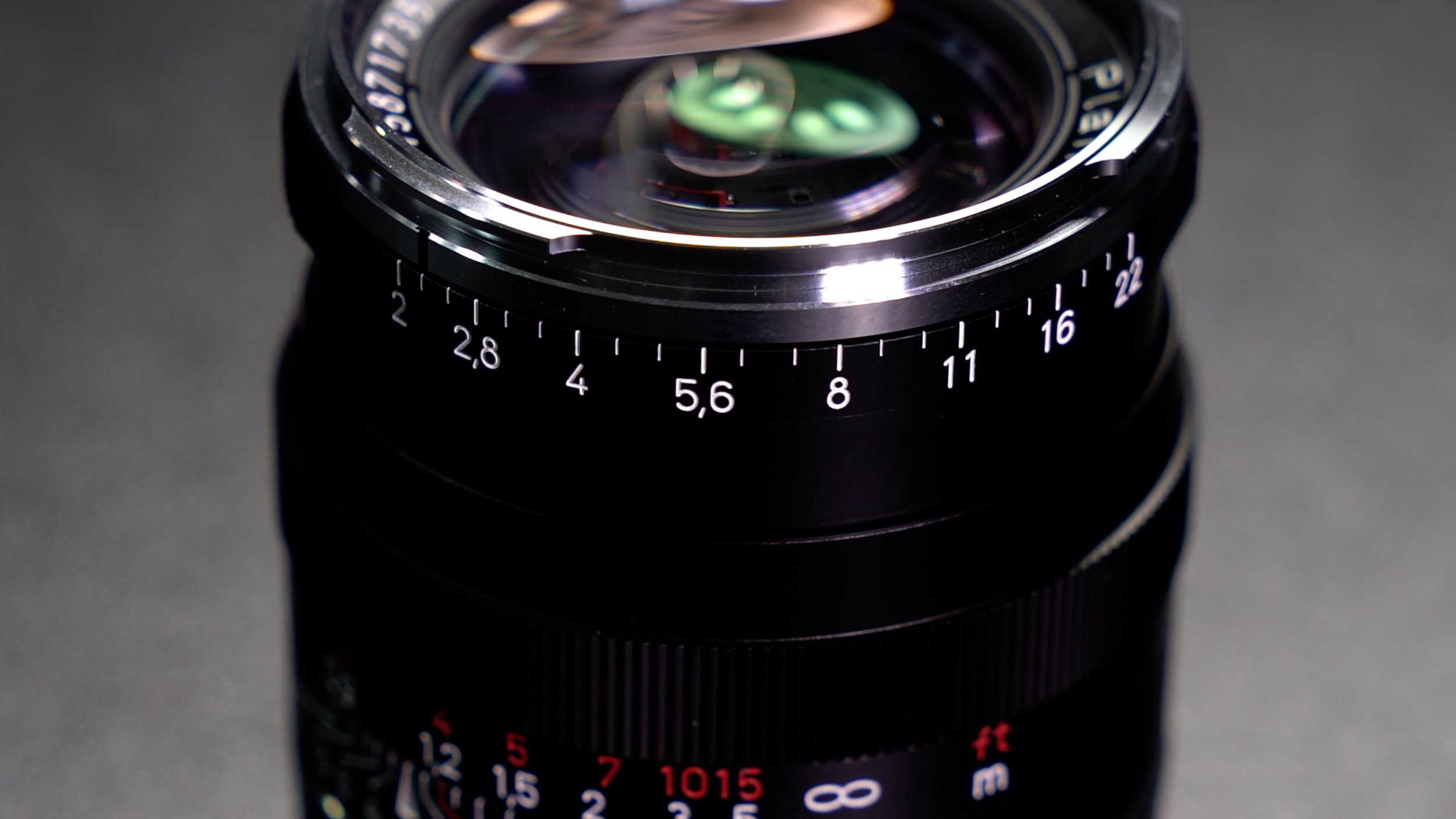
This lens utilizes 10 aperture blades and as indicated by the aperture ring, this 50mm has an aperture range from f/2 to f/22 that opens and closes in third stop increments. The aperture ring does click, so for those who are interested in using this lens for video, just be aware of that.

5.jpg

This is of course a manual focus lens so there is a manual focus ring. Like other Zeiss M mount lenses, this one features a focusing nub. I have the Zeiss 35mm Biogon so am used to this design. It is better than not having anything at all, but I still prefer to have a traditional two pronged focusing tab.

6.jpg

For those who zone focus, this lens of course also has a depth of field and distance scale right behind the focus ring. As you can see here, this lens has a minimum focus distance of .7 meters or 2.3 feet, which is sort of standard for a rangefinder lens.

And that’s really all there is to this lens. Like other manual lenses, it’s pretty straight forward. Aperture and manual ring, pretty much all that you really need. I obviously own the black version but if you’re interested, there is also a silver version.

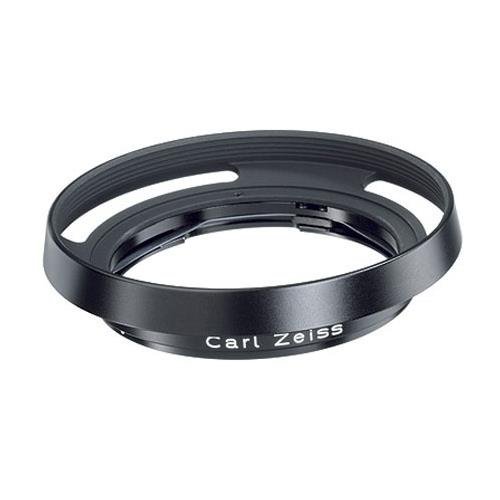
One annoying thing about this lens is that it does not come with a lens hood. That is actually sold separately and cost about $84.

As previously mentioned, I recently picked up a Leica M6 with 0.85 magnification and specifically picked this lens for that camera. Prior to picking this lens up, I did some research to see how other M mount users felt about using a 50mm lens with a 0.85 viewfinder and there seems to be a lot of argument for it being both a good match and it being not. A lot of it came down to wether or not you wear glasses, which I do. Some people say that it’s hard to see the 50mm frame lines with glasses. I ultimately decided to just go for it because if you think about it, the M3 featured a 0.91 magnification viewfinder and was designed with a 50mm in mind. If people managed to use a 50mm with the M3 viewfinder, then I'm sure that I can manage with the 0.85 viewfinder.

So far, I’m pretty happy with this purchase but of course image quality means more than anything with a lens. I'll just have to get more time in with it before I can really make a review of this lens.


If you're considering on buying any of these products, please support my work by using the links below.
Zeiss  Planar T* 50mm f/2 ZM
http://amzn.to/2H2ru2I

Leica M6
http://amzn.to/2H02ARk